Creating an stunning outdoor area represents the thrilling journey that combines imagination with the natural world. Regardless of whether your outdoor area includes a sprawling backyard or a cozy front yard, understanding the significance of vegetation for landscape design has the potential to completely revolutionize your surroundings. Including vibrant plants and rich greenery plus striking stonework, each element contributes in your appearance as well as purpose in your outdoor space. While we look at numerous landscaping ideas, you will find out ways to make thoughtful decisions about plants that demonstrate your style and enhance its surroundings.
In this piece, we will examine various aspects within yard design, sharing motivation for all individual. Find more info will learn about the benefits of integrating plants that change with the seasons for consistent attractiveness, the importance of choosing indigenous flora for sustainability, and the art of mixing hard landscaping with soft landscaping. Armed with useful advice and cutting-edge ideas, we strive to assist you build a spectacular exterior retreat customized for your tastes. Be prepared to brighten your garden as well as elevate your experience outside.
Best Landscape Design Concepts
One well-liked concept for landscape design is incorporating indigenous flora into your landscape. https://walker-mclean.hubstack.net/alfresco-living-crafting-functional-and-appealing-environments are tailored to the local climate and soil, making them easier to care for and more resilient against pests and diseases. They can also support local creatures and promote biodiversity. By creating a yard filled with native vegetation, you can not just enhance the aesthetic appeal of your backyard but also promote a thriving habitat.
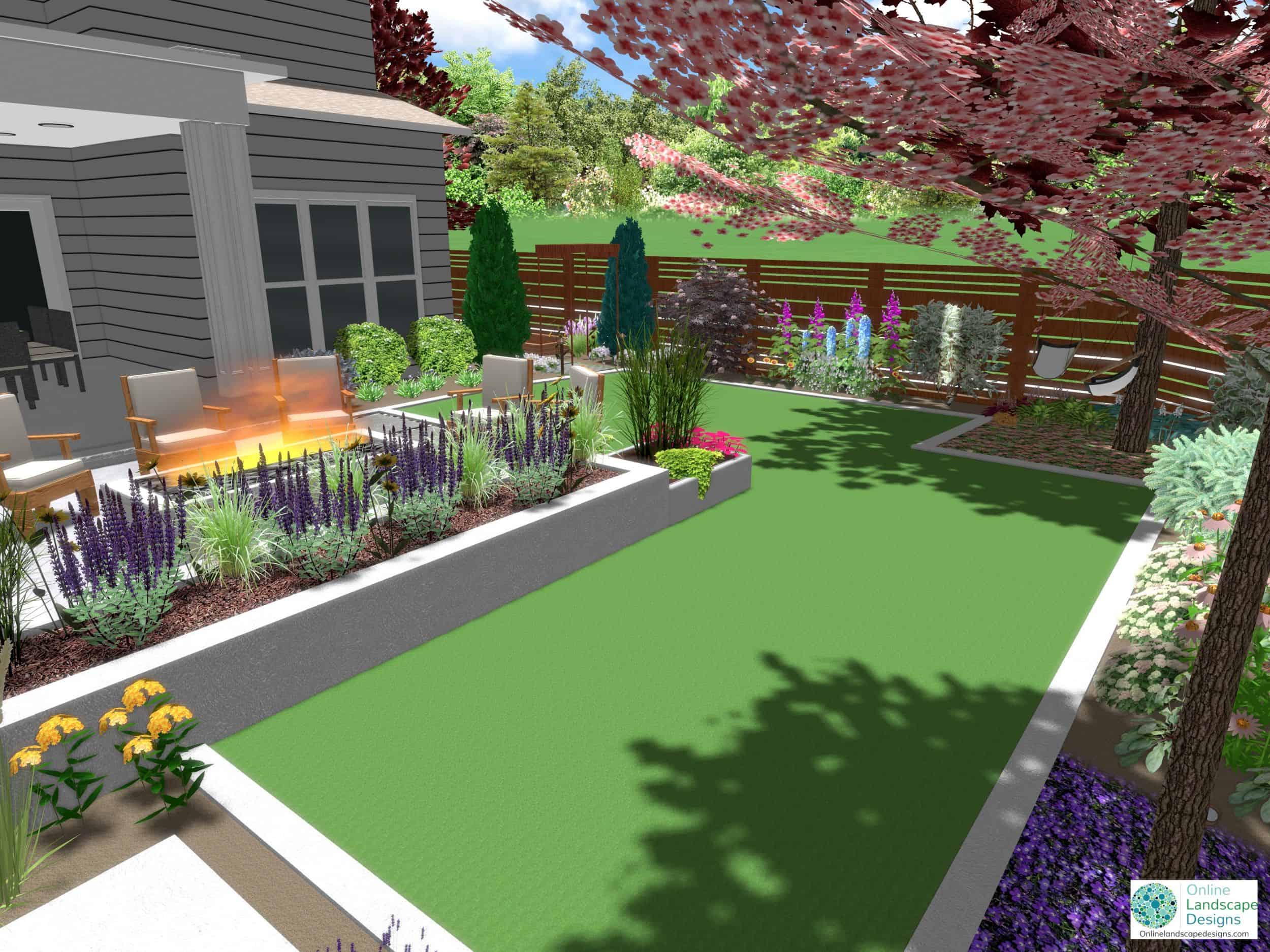
Another effective strategy is to include hard landscape elements into your plan. Features like stone trails, outdoor spaces, and landform barriers can provide structure and appeal to your outdoor area. These structural features provide practical spots for entertaining, or merely enjoying. When matched with green components like shrubbery, structural elements can create a harmonious and inviting environment that enhances your al fresco enjoyment.
Lastly, consider designing with hue in mind. The use of colorful blooms, greenery, and intentional positioning can bring life to your yard. Selecting plants that bloom at diverse intervals of the year ensures that your garden offers color richness throughout the year. By blending shades and textures, you can create a gorgeous setting that complements your house and displays your aesthetic.
Enhancing Your Outdoor Space
To transform your outdoor space, begin by establishing the centerpieces within your yard. Consider adding elements that draw the eye, such as a lively flower bed, an stylish water feature, or distinctive outdoor art. These features should reflect your individual taste and complement your home’s architecture, creating a unified look that enhances overall appeal. Remember to coordinate these focal points with adjacent greenery to maintain an appealing atmosphere.
Incorporating multiple plant choices is crucial for establishing a striking landscape design . Choose plants that flourish in your local climate and soil conditions to secure lasting beauty and minimal care. Mixing textures, heights, and colors can introduce depth to your yard; for example, matching tall ornamental grasses with colorful perennials creates an enticing contrast. Be sure to think about seasonal interest, choosing plants that offer blooms and foliage changes throughout the year.
In conclusion, incorporate functional elements that facilitate outdoor living. Establish inviting seating areas using welcoming furniture, shade structures, or hardscaping features like patios and pathways. Adding lighting can improve your design further, enhancing the ambiance and increasing the usability of your outdoor space into the evening. By carefully considering these aspects, you can produce a refuge that invites relaxation and social gatherings, making the most of your landscape design.
Selecting the Right Flora
When choosing flora for your garden design, it is crucial to consider the specific elements of your yard. Considerations such as sunlight, soil composition, and water availability will greatly affect which species succeed in your environment. Analyze your yard throughout the day to figure out areas of direct sunlight, filtered light, and complete shade, and select plants that are suitable for each area. This meticulous assessment will help you create a colorful and healthy landscape.
In alongside environmental factors, consider the overall aesthetic and style of your yard. Different plants contribute multiple forms, colors, and seasonal interests to your landscape, enabling you to create a cohesive look. For a modern landscape, opt for sleek and minimalistic plant options, while conventional designs might suit vibrant, blooming perennials and decorative shrubs. Make sure to study the ideal plants for each theme, ensuring they correspond with your vision.
Finally, reflect on including indigenous species into your garden. Local species are perfectly suited to the regional climate and soil conditions, making them more straightforward to maintain and more advantageous for local wildlife. These plants often need less water and nutrients, contributing to a eco-friendly garden. By choosing the ideal mix of flora, you can create a breathtaking and vibrant landscape that enriches your yard for the long term to come.