

Landscaping is an artistic form of art that conveys not just the taste in aesthetics, but also our connection with the natural world and our desire for functional outdoor areas. As we walk into the backyards or stroll through public gardens, we are often enveloped in a silent conversation between the flora, the features, and the overall design. It’s a form of communication spoken through colors, materials, and designs that not only improves aesthetic appeal but also fosters well-being and connection to the environment.
In this investigation of the language of flora, we will delve into various landscape design concepts and techniques that can convert any outdoor space into a oasis. From contemporary to classic styles and from eco-friendly designs to creative hardscaping, these ideas will help you navigate the possibilities available to create a breathtaking backyard that reflects your individual style and meets your lifestyle needs. Whether you're a novice or an experienced gardener, our manual will provide ideas and useful tips to help you create your ideal landscape.
Best Landscape Planning Ideas
Designing a stunning backyard begins with careful planning and creativity. One of the best ideas is to integrate a range of vegetation types to form a vibrant and interesting visual experience. Combining perennials with seasonal flowers ensures that there will always be a variety in bloom throughout the seasons, while incorporating diverse textures and colors can add depth and fascination to the garden. Additionally, employing blooming bushes can deliver structure and seasonal highlights, making your backyard colorful year-round.
A different effective strategy is to incorporate hardscaping features, such as patios, walkways, and decks, which function as the foundation of your yard space. These components not only offer functional areas for relaxation and entertaining but also assist to define distinct sections of your garden. Employing materials like stone, brick, or cement can enhance the natural features and create a cohesive look. Adding features like retaining walls or elevated plant areas can also bolster the overall plan while tackling any water or elevation issues.
Lastly, reflect on the impact of lighting on your garden layout. Thoughtfully placed outdoor lights can produce mood, illuminate key features, and enhance safety during nighttime evenings. https://timesanta35.bravejournal.net/outdoor-architecture-movements-transforming-the-natural-environment or uplighting on trees can transform your backyard into a magical space after nightfall. By thoughtfully integrating plant life, hardscaping, and lighting, you can design a backyard that is not only breathtaking but also functional and inviting.
Eco-Friendly and Easy-Care Landscaping
Designing a eco-friendly landscape plan goes side by side with developing a easy-care garden. By choosing local plants that are suitable to the regional climate and ground conditions, homeowners can reduce water needs and the requirement for fertilizers and pesticides. Indigenous plants often require less care since they flourish inherently in the environment. Incorporating water-wise varieties can further enhance green practices while keeping visual appeal in the landscape.
Besides plant selection, adding hardscape features can greatly lower upkeep requirements. Elements such as pathways, patios, and earth-retaining structures not only offer curb appeal but also help control water runoff and soil erosion. Using permeable materials allows rainwater to soak into the ground, reducing runoff and enhancing groundwater recharge. These hardscape features can complement your landscaped areas while minimizing the work needed for maintenance.
An additional key element of eco-friendly and minimal maintenance landscaping is the implementation of wood chips and ground covers. Applying eco-friendly mulch can suppress weeds, hold moisture, and enhance soil health as it deteriorates over time. Ground covers like creeping thyme or succulent plants can fill spaces without needing mowing, providing coverage and color with minimal effort. By emphasizing these tactics, homeowners can appreciate a gorgeous landscape that embodies sustainable principles and conserves time on care.
Designing for Beauty and Practicality
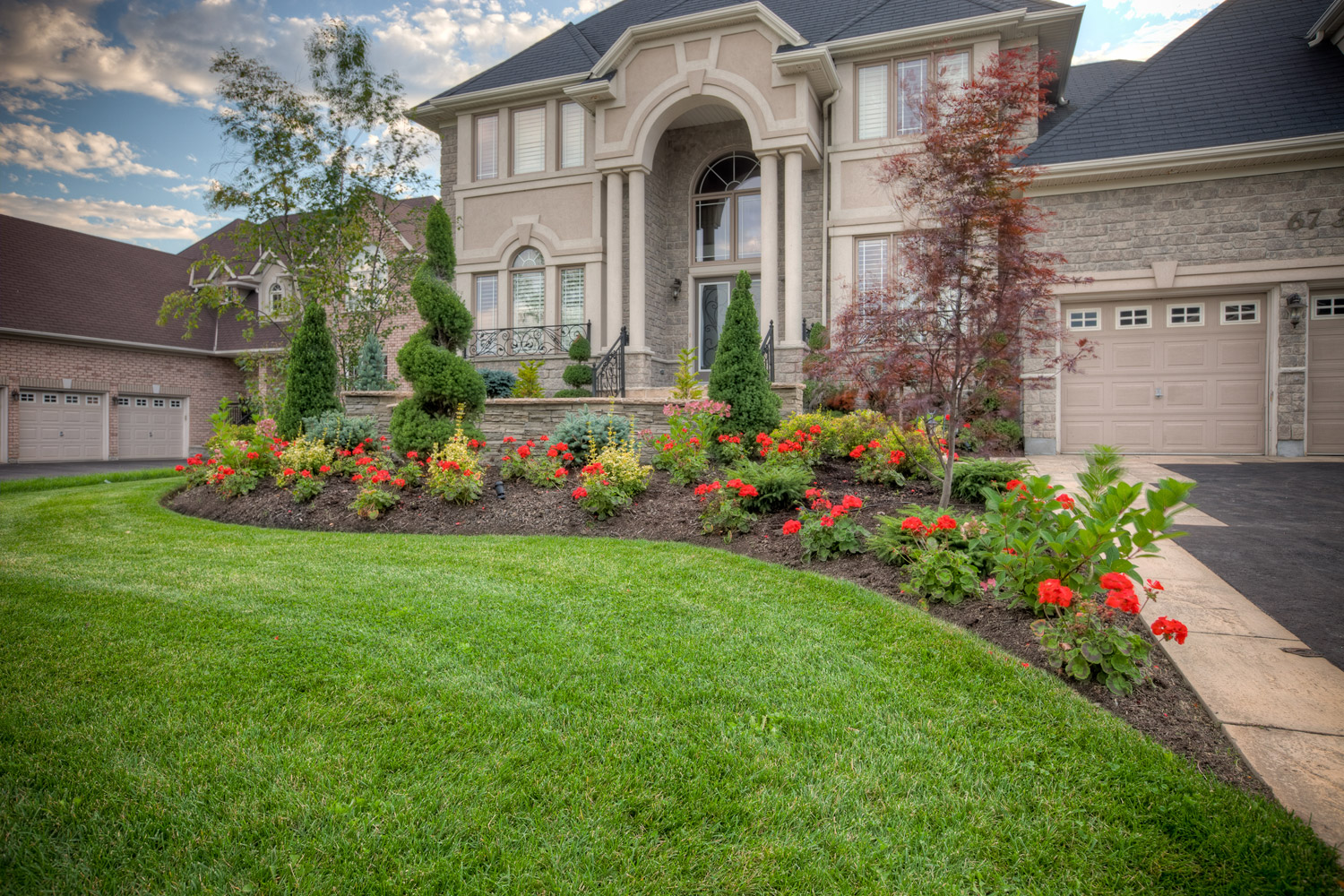
Formulating a harmonious landscape design demands a thoughtful balance between beauty and practicality. While picking plants, materials, and features, it is essential to consider how they work together to create an welcoming space. A stunning garden can function as a peaceful retreat or a bustling gathering area, but its design must also cater to practical needs such as accessibility, maintenance, and usability. By incorporating pathways, seating areas, and focal points, homeowners can make sure that their outdoor spaces are both visually appealing and practical for daily activities.
Adding hardscaping elements is a key strategy in achieving this balance. Features such as patios, walkways, and walls not only enhance visual appeal but also provide framework within the landscape. These elements can create separate areas for cooking, entertaining, or relaxation, while also helping to manage water drainage and reduce yard maintenance. https://poiskpredkov.by/members/sailtiger83/activity/801995/ of materials for hardscaping can enhance the overall design style, whether that be modern or classic, ensuring a unified look that aligns with the homeowner's vision.
Lighting plays a critical role in improving landscape design, allowing for the enrichment of outdoor spaces while enhancing safety and accessibility. Thoughtfully placed lighting fixtures can highlight features like water elements, unique plants, or architectural details, creating a enchanting atmosphere at night. Additionally, landscaping with a focus on both aesthetics and function can lead to environmentally friendly outcomes, using native plants and sustainable practices to create an attractive, low-maintenance environment that nurtures local wildlife and reduces resource use.