

Within today's rapidly changing world, emotional control has become an essential skill that impacts every aspect of our lives. Whether it’s in our professional relationships to personal interactions, the ability to control our emotions can determine the quality of our experiences and the effectiveness of our decisions. Rather than allowing feelings to dictate our actions, gaining control over emotional regulation empowers us to respond with thoughtfulness instead of react impulsively. This journey to emotional control is not just about holding back feelings, but about understanding and handling them in a wholesome and positive way.
Be it navigating a difficult conversation, dealing with stress at work, or striving to improve your mental health, emotional control holds a significant role in your success. By identifying emotional triggers and using practical strategies such as mindfulness practices and breathing techniques, you can cultivate resilience and maintain composure even in the most difficult situations. Throughout this article, we will explore proven methods to enhance your emotional control, emphasizing its importance in fostering healthy relationships, making improved decisions, and in the end leading a more satisfying life.
Proven Techniques for Emotional Control
Emotional control is essential for maintaining a balanced lifestyle, and there are effective strategies to help enhance this capability. One of the best methods is engaging in awareness techniques. Mindfulness encourages participants to focus on the here and now, releasing distractions and unproductive thoughts. Practices such as mindful meditation and controlled breathing techniques can boost emotional management by increasing awareness of oneself and fostering a state of tranquility. This heightened awareness can help you identify triggers of emotion more readily and address them in a thoughtful way.
Another critical strategy is developing self-awareness. Gaining insight into your emotions and acknowledging how they influence your behavior is essential to managing your emotions. Keep a journal to record your feelings and reactions in various contexts. This habit can help you spot trends in your reactions and recognize situations where you may have trouble to keep your cool. By acquiring insight into your emotional state, you can create customized approaches to navigate your emotions successfully.
Ultimately, cultivating resilience through intentional practice can have a lasting impact on your ability to manage emotions. Engaging in consistent practices that stretch your ability to maintain composure, such as simulating challenging discussions or applying breathing techniques in challenging scenarios, can prepare your brain to manage emotions better. In addition, prioritizing a healthy lifestyle by prioritizing rest and healthy eating plays a critical part in maintaining emotional balance. By embracing these approaches, you can equip yourself to take charge of your emotions and improve your holistic quality of life.
This Study of Emotional Regulation
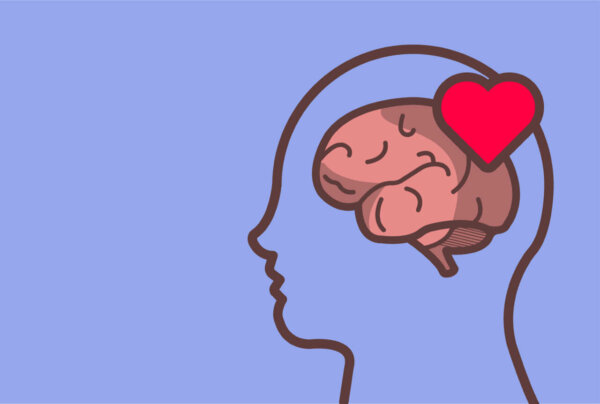
Emotion regulation is a sophisticated psychological mechanism that entails the ability to handle and react to emotional experiences efficiently. Studies in this area has shown that emotional control is not solely about stifling feelings but rather understanding and directing them in a way that is constructive. https://stemarch07.werite.net/mastering-ones-feelings-an-skill-of-emotional-management plays a crucial role in this mechanism, particularly regions such as the frontal lobe, which is key for advanced thinking and choices. This region helps us analyze feelings and choose appropriate reactions rather than reacting impulsively.
Investigations have shown that individuals who practice successful emotion control strategies often experience improved psychological health outcomes. For instance, those who can identify and articulate their emotions are generally less prone to stress and mood disorders. The Science of Emotion Control also emphasizes the significance of self-awareness and mindfulness as foundational skills. By being in sync with our emotions, we can identify our stimuli and create healthier coping mechanisms, resulting in increased affective resilience over time.
Additionally, the effect of emotional regulation extends beyond individual health; it affects interpersonal dynamics and workplace environments. People who can regulate their feelings successfully often find it simpler to navigate disagreements, interact effectively, and forge strong connections with others. This control is also linked to decision-making capabilities, where a calm and controlled affective state leads to more logical choices, ultimately enhancing personal and professional success. The academic knowledge of emotion regulation highlights its value across various facets of life, confirming that affective control is indeed a crucial skills for empowerment.
Effect of Emotion Regulation on Everyday Living
Emotion regulation plays a crucial role in how we manage our routine experiences and events. As individuals control their emotions skillfully, they can respond to obstacles and sources of stress with clear-headedness and calmness. This ability fosters enhanced communication and deeper relationships, as people are not as likely to react impulsively or allow negative emotions to control their behavior. As a result, emotional control enhances our interpersonal relationships, enabling us to engage with others on a more profound level.
In professional settings, emotional control is essential for efficient leadership and decision-making. Leaders who demonstrate emotional self-control can motivate and encourage their teams, establishing a positive work environment. Additionally, staying calm under pressure allows individuals to analyze situations and make wise choices, especially during critical situations. This ability not only boosts workplace relationships but also adds to overall output and job satisfaction.
Moreover, emotional control significantly impacts mental and physical health. Individuals who manage their emotions are often to experience reduced levels of stress and anxiety, promoting emotional well-being. This, in turn, can lead to better lifestyle choices, such as enhanced sleep patterns and dietary habits. Overall, the ability to regulate emotions is foundational for developing resilience, maintaining relationships, and leading a fulfilling life.